
The Importance of Addressing Potential Hazards Before Storms Hit
Preparing for storms is crucial to keep your home safe. One often overlooked aspect of preparation is managing the trees around your property. Trees can become hazardous during storms, causing damage to homes and power lines. By understanding the role of tree management, you can prevent potential dangers. This guide covers why and how proper care before a storm can protect your home and community.
Why Trees Pose Risks During Storms
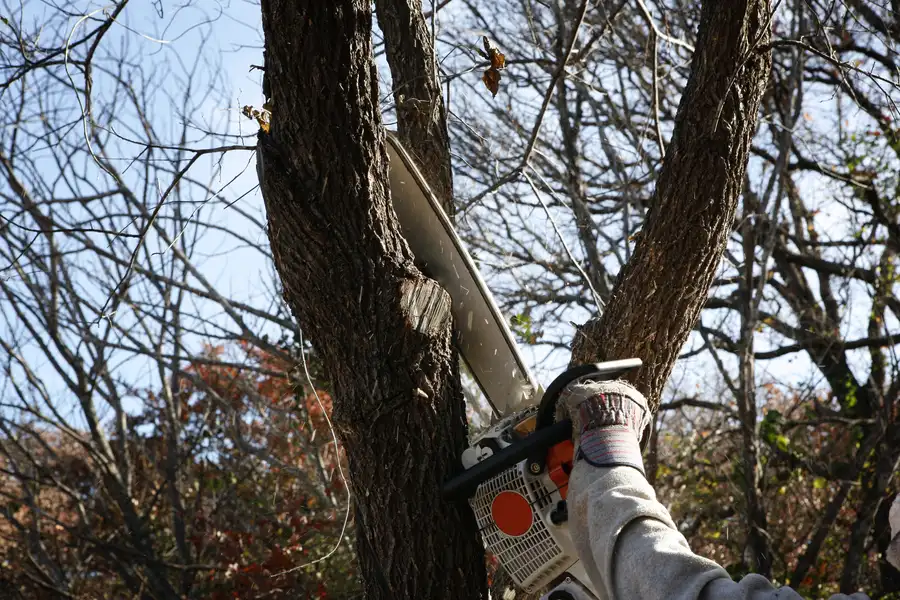
During severe weather, trees face intense winds and heavy rains. Without proper care, they might fall or break, leading to significant damage. Large branches can snap off, while entire trees may uproot. These incidents can block roads and harm structures. Additionally, damaged trees can cause power outages if they fall on lines. Understanding these risks helps in taking proactive measures.
The Benefits of Proactive Tree Management
Caring for trees before a storm offers several advantages. It reduces the likelihood of trees falling during bad weather. Healthy trees are less likely to break under pressure. Moreover, it prevents costly damages to homes and infrastructure. Regular inspections ensure that weak branches are removed early on, which minimizes risks. Lastly, it contributes to community safety by preventing road obstructions.
Essential Steps in Preparing Trees for Storms
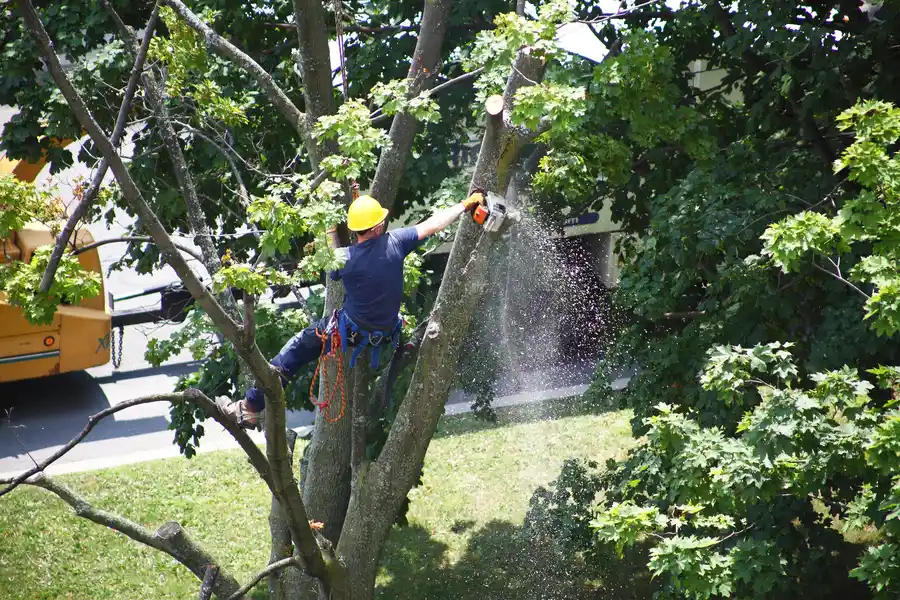
Effective storm preparation involves several key steps:
- Assess your property’s trees regularly for signs of disease or damage.
- Hire professionals to prune overgrown branches safely.
- Remove dead or unstable trees promptly.
- Maintain healthy soil and provide adequate water to strengthen roots.
When to Consider Tree Removal Services
In some cases, tree removal becomes necessary for safety reasons. If a tree is diseased beyond recovery, it poses a threat during storms. Similarly, if a tree leans significantly towards your home or power lines, it’s safer to remove it. Reliable services offer professional assessments and execute removals safely. Ensuring this process is done correctly avoids further complications.
The Process of Effective Tree Removal
Professional tree removal follows specific procedures to ensure safety and efficiency:
- Initial assessment of the tree’s condition and surrounding area.
- Planning the removal process to minimize risk.
- Using specialized equipment for cutting and lowering sections carefully.
- Clearing debris and ensuring the site is safe post-removal.
Best Practices for Maintaining Your Trees
To maintain healthy trees, follow these best practices:
- Regularly inspect trees for health issues such as pests or disease.
- Prune branches during dormant seasons to encourage growth.
- Water trees adequately, especially during dry spells.
- Apply mulch around the base to retain moisture and protect roots.
Understanding Local Regulations and Standards
It’s important to adhere to local regulations regarding tree maintenance and removal. Certain areas have specific rules about when and how trees can be removed. Understanding these guidelines ensures compliance and prevents legal issues. Consulting with local authorities or professional arborists provides clarity on any restrictions or required permits for removal processes.
Cost Factors Involved in Tree Management
The cost of tree care varies based on several factors:
- The size and number of trees needing attention.
- The complexity of access to the trees.
- The type of service required (e.g., pruning vs. complete removal).
- The need for specialized equipment or permits.
Investing in regular care can prevent more expensive emergency services later.
Your Pathway to Safe Storm Seasons
Proactively managing your trees plays a critical role in storm preparation. Our team at Agri-Con Tree Care Professionals is committed to providing top-notch services tailored to your needs. Whether you’re in San Jose, CA or nearby, contact us today at (408) 209-6895 for expert guidance and support that ensures your home’s safety all year round.