
Understanding the Dangers Associated With Ignoring Potential Hazards
Trees are a valuable part of any landscape, offering beauty and shade. However, delaying necessary tree removal can pose significant risks to your property and safety. Damaged or dead trees can lead to hazardous conditions that might not be immediately obvious. These potential dangers highlight the importance of timely action. Understanding these risks can help you take proactive measures, ensuring both your property’s value and your personal safety remain intact.
The Danger of Falling Branches
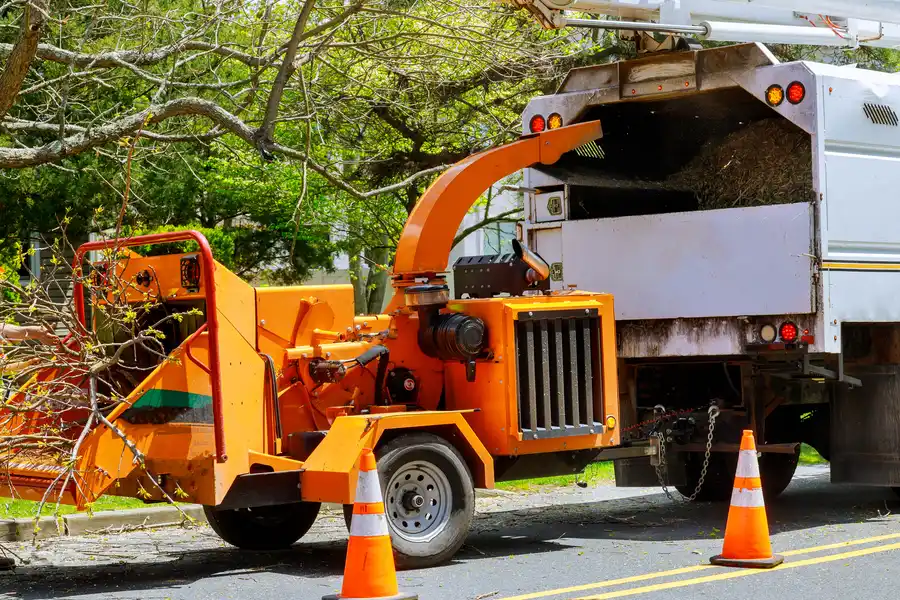
One of the most immediate risks is falling branches. When a tree becomes unstable due to disease or damage, its branches become vulnerable. Heavy winds can easily cause large limbs to fall, damaging roofs, cars, and potentially injuring people. It’s crucial to assess your trees’ health regularly and consider tree removal when necessary.
Root Damage to Structures
An often-overlooked risk involves the tree’s roots. Roots can grow extensively, disrupting underground utilities like water pipes or sewers. They may also infiltrate foundations, causing structural issues over time. Addressing this risk through proper landscaping practices or tree removal can prevent costly repairs down the line.
Pest Infestation Concerns
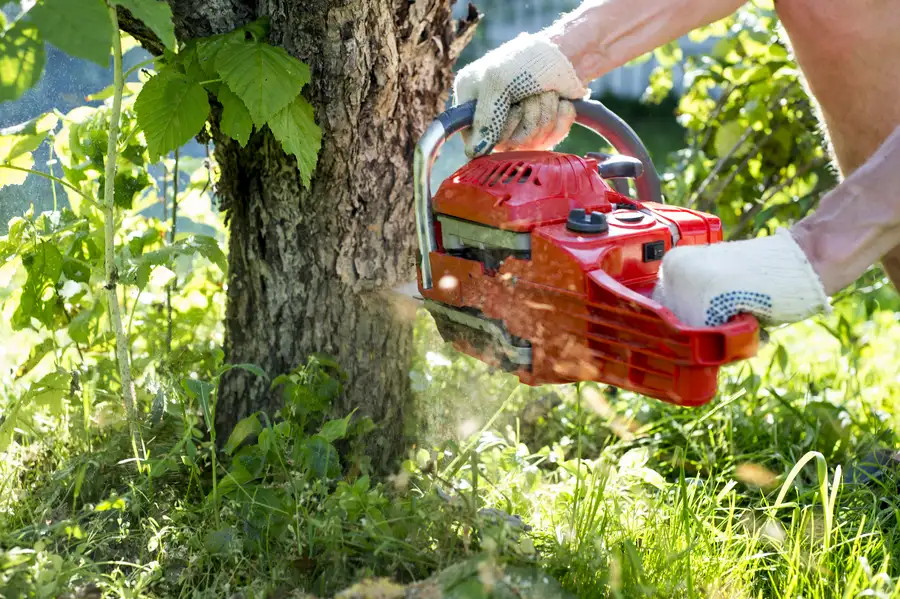
Dead or dying trees attract pests such as termites and rodents. These pests can quickly spread to other parts of your yard or even into your home, leading to an infestation problem. Regular maintenance and timely tree removal are critical in preventing these unwelcome guests from taking up residence on your property.
Risk of Disease Spread
Diseased trees pose a threat not only to themselves but also to nearby plants. Fungal infections and diseases can spread rapidly through contact with healthy vegetation, weakening or killing them. Early detection and management, including tree removal, help protect the rest of your landscape.
Aesthetic Impact on Property Value
Your property’s curb appeal significantly impacts its market value. Dead or unkempt trees diminish this appeal, making homes less attractive to potential buyers. Investing in professional landscaping services ensures your property maintains its value and visual appeal.
Legal and Liability Issues
If a tree falls and causes damage because it wasn’t removed in time, you could face legal liability. This is especially true if the damage extends to neighboring properties or public spaces. To avoid these complications, consult with professionals who can advise you on safe practices and necessary actions.
Practical Steps for Managing Tree Risks
Proactively managing your landscape is essential in mitigating risks associated with delayed tree care. Consider the following steps:
- Conduct regular inspections of your trees for signs of illness or instability.
- Consult with certified arborists to evaluate high-risk trees.
- Schedule periodic maintenance services like pruning or trimming.
- Plan for immediate action if a tree poses a direct threat.
Preventive Measures and Best Practices
Adopting preventive measures can save you time and money in the long run. Here are some best practices:
- Ensure adequate watering and fertilization for healthy growth.
- Avoid planting large trees near structures or underground utilities.
- Keep an eye out for pest activity or unusual changes in foliage.
- Use mulch around the base of trees to maintain soil moisture.
Contact Us for Professional Guidance and Support
If you’re facing challenges with your trees, it’s important to seek expert advice promptly. For reliable guidance, reach out to Agri-Con Tree Care Professionals by calling (408) 209-6895. Our team serves clients in San Jose, CA, providing comprehensive solutions tailored to every need. Don’t wait until it’s too late; ensure the safety and beauty of your surroundings today.